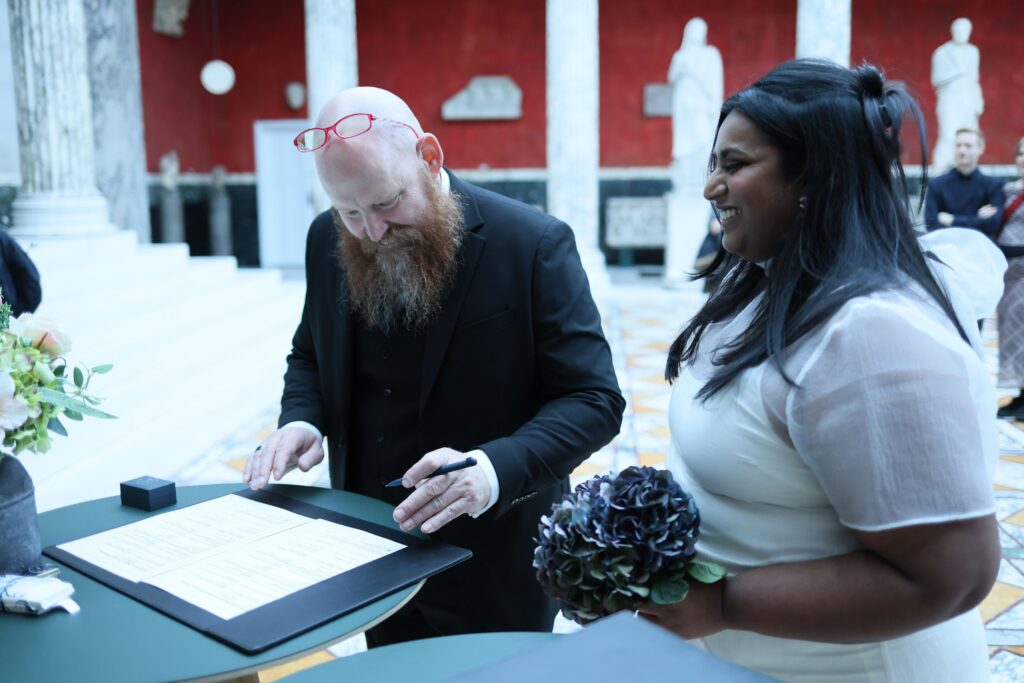


For many families, marriage is the pathway to building a life together in the United States. But when it comes to applying for a marriage-based green card, the process is not the same for everyone. The immigration journey changes depending on whether your spouse is a U.S. citizen or a lawful permanent resident. Understanding these differences can help you prepare for each step and avoid delays.
Marriage to a U.S. Citizen
When you are married to a U.S. citizen, immigration law considers you an “immediate relative.” This category has several benefits.
- No visa wait times: Unlike other categories, there is no annual limit on visas for spouses of U.S. citizens. This means a visa is always available once your application is processed.
- Adjustment of status: If you are already in the U.S. and entered legally, you may be able to file for adjustment of status without leaving the country. This allows you to remain in the U.S. while your green card is being processed.
- Faster processing: While exact timelines vary, cases based on marriage to a U.S. citizen usually move more quickly than those involving a permanent resident.
For many families, these advantages make the process smoother and less stressful.
Marriage to a Permanent Resident
If your spouse is a permanent resident, you are placed in a “family preference category” rather than the immediate relative category. This creates some important differences.
- Visa wait times: The number of visas for spouses of permanent residents is limited each year. As a result, you may face a waiting period before a visa becomes available. Wait times can range from several months to a few years, depending on demand and your country of origin.
- Adjustment of status limitations: If you are already in the U.S., you may not be able to adjust your status immediately. You often must wait until your visa number is available.
- Possible separation: Because of visa backlogs, some families must live apart for part of the process if the foreign spouse cannot remain in the U.S. lawfully.
While it is still possible to obtain a green card through a permanent resident spouse, the process generally takes longer.
Eligibility Requirements
Whether your spouse is a citizen or a permanent resident, you must prove certain things to qualify for a marriage-based green card:
- Your marriage is legally valid where it was performed.
- You and your spouse are in a bona fide (real) marriage, not one entered into just for immigration purposes.
- Neither spouse is married to anyone else.
- You meet admissibility requirements, which may include a background check, medical exam, and financial support evidence.
Providing thorough documentation of your relationship and eligibility is critical.
Processing Timelines: Citizen vs. Resident
Processing times vary depending on your situation, but here are some general trends:
- Marriage to a U.S. citizen: In many cases, the process can take around 12 to 18 months.
- Marriage to a permanent resident: Because of visa backlogs, the process can take longer. Some families may wait two years or more before a visa becomes available.
These timeframes are only averages. Delays can occur if your case requires additional review or if mistakes are made in the application.
Rights While You Wait
If you are married to a U.S. citizen and apply for adjustment of status, you can often apply for a work permit and travel document while your green card is pending.
If you are married to a permanent resident and must wait for your visa to become available, you may not be eligible for these benefits right away. This difference can be very important when making decisions about your future in the U.S.
Common Challenges
Both U.S. citizen and permanent resident petitions face challenges. Some of the most common include:
- Difficulty proving the marriage is real (lack of evidence, limited time together)
- Past immigration violations or unlawful presence
- Criminal history or inadmissibility issues
- Errors in forms or missing documents
Working with an experienced immigration lawyer can help you avoid these obstacles and prepare for interviews with U.S. Citizenship and Immigration Services (USCIS).
Frequently Asked Questions
Can my spouse petition me if they are only a permanent resident?
Yes. Permanent residents can file a petition, but the process usually takes longer due to visa limits.
What happens if my spouse becomes a U.S. citizen during the process?
If your spouse naturalizes while your case is pending, you can move into the immediate relative category. This often speeds up your green card process.
Do I have to stay outside the U.S. during the process?
It depends. If you entered the U.S. legally and your spouse is a citizen, you may be able to adjust your status here. If your spouse is a permanent resident, you might need to wait abroad until your visa is available.
How can I prove my marriage is real?
Evidence can include joint bank accounts, lease agreements, photos together, communication records, and affidavits from family or friends.
Get Help With Your Marriage-Based Green Card
The difference between being married to a U.S. citizen versus a permanent resident can greatly impact your immigration journey. If you want to understand your options and prepare a strong case, Vanderwall Immigration is here to help.
Schedule an appointment today to speak with an experienced attorney about your marriage-based green card.
Vanderwall Immigration Law
Ready to Move Forward With Your Case?
Immigration law is complex, but you don't have to navigate it alone. Our experienced attorneys serve families across Portland, Salem, Beaverton, and the Pacific Northwest — and can handle cases nationwide.
Services available in English and Spanish